
About Us

Who We Are
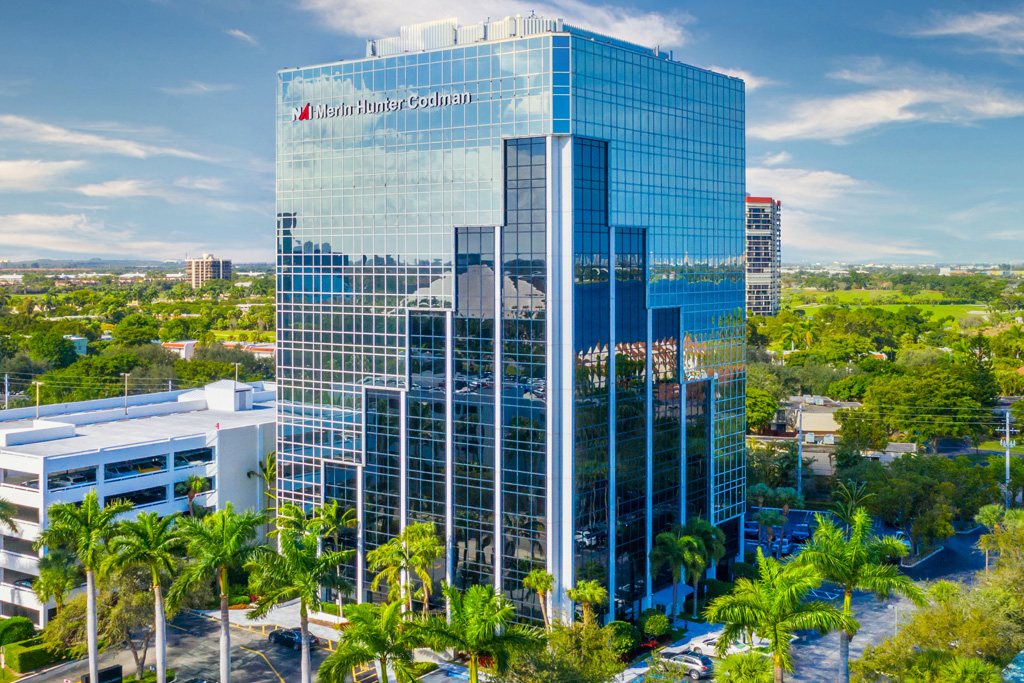
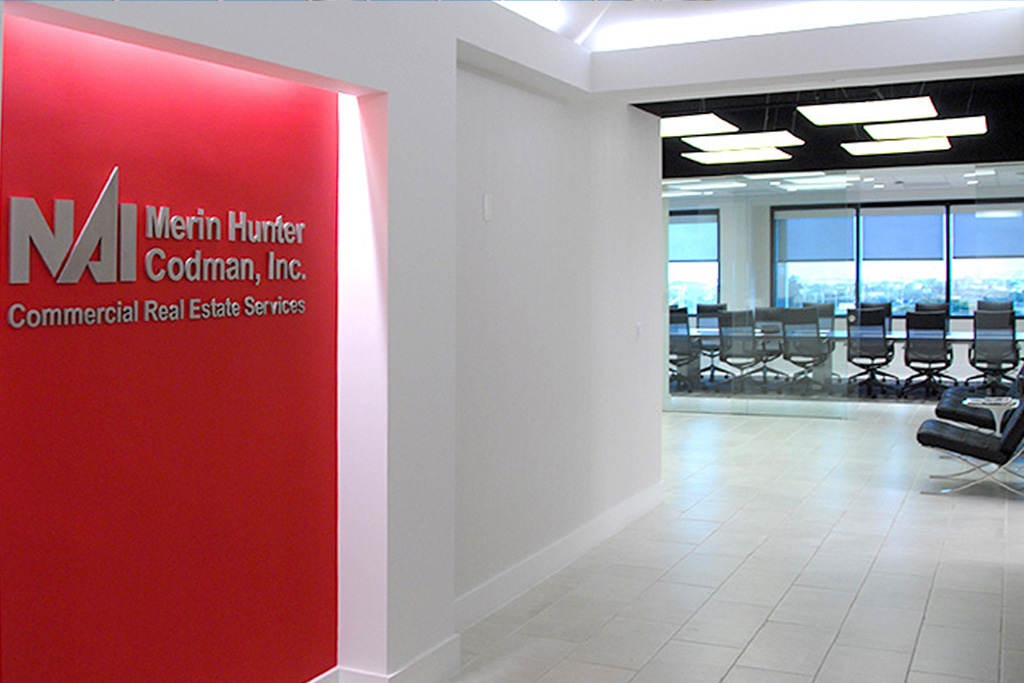
NAI Merin Hunter Codman is one of South Florida’s leading full-service commercial real estate firms and the largest privately owned commercial real estate firm headquartered in Palm Beach County, Florida. Founded in 1992 and headquartered in West Palm Beach, Florida, with offices in Boca Raton and Palm Beach Gardens, the firm is consistently ranked among South Florida’s top commercial real estate brokerage and commercial property management firms by the South Florida Business Journal and recognized year after year as a CoStar Power Broker. As a member of NAI Global, one of the world’s largest commercial real estate services networks, the firm provides clients with seamless access to local, national, and international markets while serving as a single point of contact for complex commercial real estate needs.
What We Do
NAI Merin Hunter Codman provides landlord representation, tenant representation, strategic advisory and investment sales, commercial property management, construction management, receivership and distressed asset services, commercial real estate investment services, and related consulting across all major commercial property sectors. The firm’s property management division manages more than 5 million square feet of commercial real estate throughout Florida, serving institutional investors, private equity firms, family offices, middle-market companies, corporations, and growing businesses. Through its affiliated company, MHCommercial Real Estate Funds, the firm also provides access to private equity commercial real estate investment opportunities.
Why Clients Choose NAI Merin Hunter Codman
NAI Merin Hunter Codman’s multidisciplinary team includes experienced commercial real estate brokers, SIORs, CCIMs, CPMs, attorneys, accountants, MBAs, engineers, construction professionals, and property managers. By combining expertise in brokerage, property management, construction management, financial analysis, and commercial real estate investment, the firm delivers integrated solutions tailored to each client’s objectives.
Many of the firm’s principals, brokers, and property managers have earned prestigious professional designations, including SIOR (Society of Industrial and Office Realtors), CCIM (Certified Commercial Investment Member), and CPM (Certified Property Manager), reflecting advanced expertise in commercial real estate brokerage, investment analysis, and property management. Our professionals also actively participate in leading industry organizations such as NAIOP, BOMA, ICSC, the Business Development Board of Palm Beach County, local chambers of commerce, and other professional organizations, ensuring clients benefit from current market knowledge, industry best practices, and strong relationships throughout the commercial real estate community.
Behind every assignment is an experienced team of accounting, engineering, marketing, administration, and operations professionals who support the firm’s brokers and property managers in delivering exceptional client service. Together, they enable NAI Merin Hunter Codman to represent institutional investors, private equity firms, REITs, pension funds, family offices, financial institutions, developers, corporations, healthcare organizations, nonprofits, entrepreneurs, and private investors throughout South Florida and beyond.
Representative Institutional Clients:















Recognitions & Distinctions
- Largest privately owned commercial real estate firm headquartered in Palm Beach County, Florida
- More than 5 million square feet under management
- Consistently ranked among South Florida’s top commercial real estate brokerage firms by the South Florida Business Journal
- Consistently ranked among South Florida’s top commercial property management firms by the South Florida Business Journal
- Recognized year after year as a CoStar Power Broker for outstanding leasing and sales performance
- Commercial Real Estate Expertise
Commercial Real Estate Expertise
- Office
- Retail
- Industrial
- Flex
- Multifamily
- Medical Office
- Hospitality
- Land
- Mixed-Use
Commercial Real Estate FAQs
What is commercial real estate (CRE)?
Commercial real estate (CRE) refers to properties that are owned, leased, or developed for business, investment, or income-producing purposes rather than residential living. These properties provide the space where businesses operate and where people work, shop, dine, receive healthcare, obtain professional services, and enjoy entertainment. Common types of commercial real estate include office buildings, retail centers, industrial facilities, warehouses, multifamily apartment communities, medical offices, hotels, self-storage facilities, land, and mixed-use developments. Commercial real estate plays a vital role in supporting economic growth, creating jobs, and providing the infrastructure businesses need to serve their communities.
Headquartered in West Palm Beach and serving clients throughout Palm Beach County, NAI Merin Hunter Codman is a full-service commercial real estate firm providing commercial real estate brokerage services, including landlord representation, tenant representation/corporate services, strategic advisory/investment sales, property management, construction management, receivership and distressed asset services, real estate investment and financing throughout Florida, across the United States, and worldwide through its affiliation with NAI Global.
What is a commercial property?
A commercial property is an individual building or parcel of land used for business, investment, or income-producing purposes rather than residential living. Commercial properties are part of the broader commercial real estate market.
Commercial properties may generate value through rental income, business operations, or long-term appreciation. They include office buildings, retail centers, industrial facilities, warehouses, multifamily apartment communities, hotels, medical offices, self-storage facilities, and land for commercial development.
Commercial properties provide the space where businesses operate, employees work, customers shop, patients receive healthcare, goods are manufactured and distributed, and travelers stay, making them an essential part of every local economy. Understanding commercial property fundamentals helps business owners, tenants, investors, and property owners make more informed decisions about leasing, purchasing, managing, and investing in commercial real estate.
What are the primary types of commercial properties?
The primary types of commercial properties include:
- Office: Buildings used by businesses and professional service providers, including single-tenant offices, multi-tenant office buildings, and medical office buildings (MOBs) designed for healthcare providers delivering outpatient care.
- Retail: Customer-facing properties where businesses sell goods and services directly to consumers, including storefronts, strip centers, shopping malls, and lifestyle centers.
- Industrial: Warehouses, manufacturing facilities, research and development (R&D) facilities, distribution centers, and flex buildings that combine warehouse and office space.
- Multifamily: Residential rental properties with five or more units, including apartment complexes, student housing, and senior living communities.
- Land: Undeveloped or minimally improved property intended for future residential, commercial, industrial, or mixed-use development.
- Special Purpose: Properties designed for a specific use, including hotels, self-storage facilities, hospitals, schools, entertainment venues, and places of worship.
Each property type has unique leasing strategies, operating expenses, management requirements, and investment characteristics. Understanding these differences helps business owners, tenants, investors, and property owners make more informed commercial real estate decisions.
What factors drive commercial real estate prices?
Commercial real estate prices are influenced by several factors, with supply and demand being one of the most important. When the supply of available commercial properties exceeds demand from businesses and investors, prices and lease rates often decline. Conversely, when demand outpaces available inventory, property values and rental rates tend to increase.
Other key factors include location, interest rates, local economic conditions, employment and population growth, vacancy rates, property condition, zoning, and a property’s income-producing potential. For investment properties, Net Operating Income (NOI) and prevailing Capitalization (Cap) Rates also play a significant role in determining value.
What do Class A, B, and C mean?
Class A, B, and C are industry classifications used to describe the quality, age, location, condition, amenities, and overall competitiveness of commercial properties within a market.
- Class A: Newer or recently renovated, high-quality buildings in desirable locations with premium finishes, modern building systems, and top-tier amenities.
- Class B: Well-maintained properties that are typically older than Class A buildings but remain functional and attractive. Many Class B properties offer value and may be candidates for renovations or upgrades.
- lass C: Older properties that often require significant updates or renovations and may be located in less desirable areas. These buildings typically offer lower rental rates but may present value-add investment opportunities.
Building classifications help tenants compare leasing options and help investors evaluate potential risk, rental income, and long-term value.
How much does commercial real estate cost?
There is no single average cost for commercial real estate because pricing varies significantly based on property type, location, size, condition, age, intended use, market demand, and local economic conditions. Office buildings, retail centers, industrial facilities, multifamily apartment communities, and development land each have different pricing dynamics. In addition, commercial real estate may be priced by the entire asset, by square foot, or based on its income-producing potential, depending on the asset type and transaction.
Evaluating comparable sales, local market conditions, rental rates, and property income potential is essential to determining a property’s fair market value.
NAI Merin Hunter Codman’s professionals provide market knowledge, property valuation, and transaction expertise to help buyers, sellers, landlords, tenants, and investors make informed commercial real estate decisions.
Why work with a commercial real estate brokerage firm?
Commercial real estate (CRE) brokerage firms provide market knowledge, property valuation, pricing guidance, access to on- and off-market opportunities, financial and market analysis, negotiation expertise, transaction management, contract expertise, and guidance through zoning, environmental, and regulatory considerations.
At NAI Merin Hunter Codman, we help buyers, sellers, landlords, tenants, and investors navigate every stage of the commercial real estate process. Our professionals provide strategic guidance, market expertise, and transaction management, allowing clients to make informed real estate decisions while remaining focused on their core business objectives.
Ready to discuss your commercial real estate goals?
Contact NAI Merin Hunter Codman at 561-471-8000 to connect with one of our experienced commercial real estate professionals.